
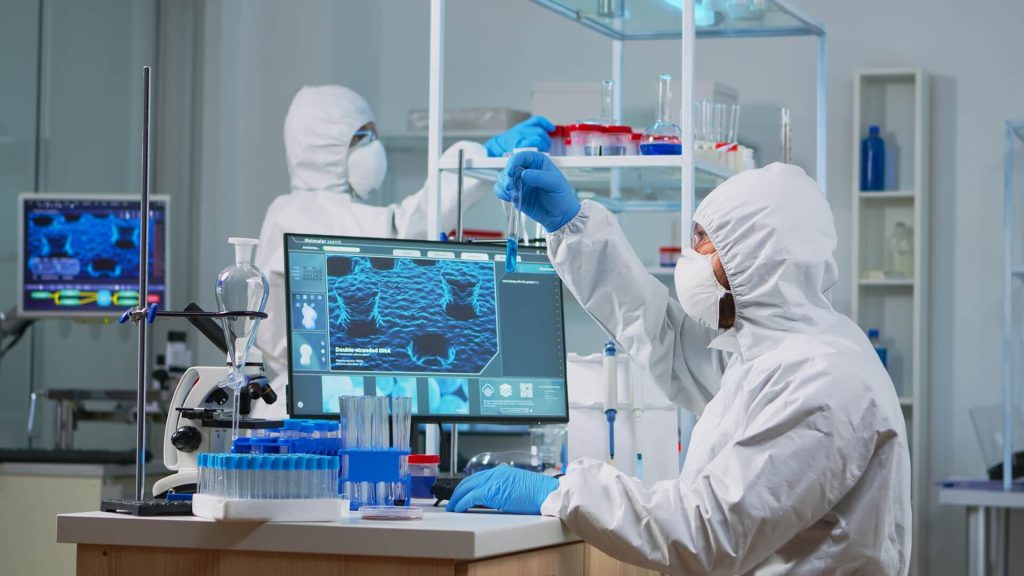
The Future of Food: Innovations in Precision Agriculture and Food Biotechnology
Explore how precision agriculture and food biotechnology are revolutionizing our food systems, paving the way for sustainable and efficient farming practices in the future.
What is Precision Agriculture and Why Does it Matter?
Precision agriculture, at its core, is about using technology to optimize every aspect of farming. From planting and irrigation to fertilization and pest control, precision agriculture utilizes data-driven insights to make informed decisions that maximize yields while minimizing environmental impact. This approach contrasts sharply with traditional farming methods, which often rely on generalized practices that can be inefficient and unsustainable.
- GPS Technology: Farmers use GPS-guided machinery to accurately plant seeds and apply fertilizers, ensuring optimal spacing and resource allocation.
- Sensors and Drones: In-field sensors and drones equipped with cameras and sensors monitor crop health, soil conditions, and water levels, providing real-time data for informed decision-making.
- Data Analytics: Sophisticated data analytics platforms process the vast amounts of data collected, identifying patterns and trends that help farmers optimize their operations.
By adopting precision agriculture techniques, farmers can significantly reduce their use of water, fertilizers, and pesticides, leading to more sustainable and environmentally friendly farming practices. Moreover, precision agriculture can increase yields, improve crop quality, and enhance profitability for farmers.
Food Biotechnology: Engineering a Sustainable Future
Food biotechnology involves modifying the genetic makeup of crops to enhance desirable traits, such as pest resistance, drought tolerance, and improved nutritional value. While the topic of genetically modified organisms (GMOs) can be controversial, food biotechnology holds immense potential for addressing some of the world’s most pressing food security challenges.
- Increased Crop Yields: Biotech crops can be engineered to resist pests and diseases, reducing the need for pesticides and increasing overall yields.
- Enhanced Nutritional Value: Food biotechnology can be used to fortify crops with essential vitamins and minerals, addressing nutrient deficiencies in vulnerable populations.
- Drought and Salt Tolerance: Biotech crops can be engineered to thrive in arid and saline environments, expanding the range of land suitable for agriculture.
For example, Golden Rice, a genetically modified variety of rice enriched with beta-carotene (a precursor to vitamin A), has the potential to combat vitamin A deficiency, a major public health problem in many developing countries. Similarly, drought-tolerant corn varieties can help farmers in water-scarce regions maintain yields even during periods of drought.
Integrating Precision Agriculture and Food Biotechnology for a Holistic Approach
The true potential of the future of food lies in the integration of precision agriculture and food biotechnology. By combining data-driven insights with genetically enhanced crops, farmers can create a more sustainable, efficient, and resilient food system. Imagine a future where crops are precisely planted and nourished based on real-time data, while also being genetically engineered to resist pests and diseases and tolerate environmental stresses. This is the vision that precision agriculture and food biotechnology can help us achieve.
Addressing Concerns and Building Trust
While the benefits of precision agriculture and food biotechnology are undeniable, it is important to address the concerns and build trust among consumers and policymakers. Transparency, rigorous safety testing, and open communication are essential for fostering public acceptance of these technologies.
- Transparency: Clear and accurate labeling of GMOs can help consumers make informed choices about the foods they eat.
- Rigorous Safety Testing: Comprehensive safety assessments of biotech crops ensure that they are safe for human consumption and the environment.
- Open Communication: Engaging in open and honest dialogue with consumers and policymakers can help address concerns and build trust in these technologies.
By addressing concerns and building trust, we can pave the way for the widespread adoption of precision agriculture and food biotechnology, unlocking their full potential to create a more sustainable and secure food future for all.
The Road Ahead: Investing in Research and Innovation
The future of food depends on continued investment in research and innovation in precision agriculture and food biotechnology. Governments, research institutions, and private companies must work together to develop new technologies and practices that can help us feed a growing global population in a sustainable and equitable way.
The innovations discussed offer the potential to transform our food systems, making them more resilient, efficient, and environmentally friendly. What steps do you think are crucial for fostering the sustainable adoption of these technologies? Share your thoughts in the comments below!


